Product · Featured
How Agent.Space Works: Change the Agent, Keep the Project Moving
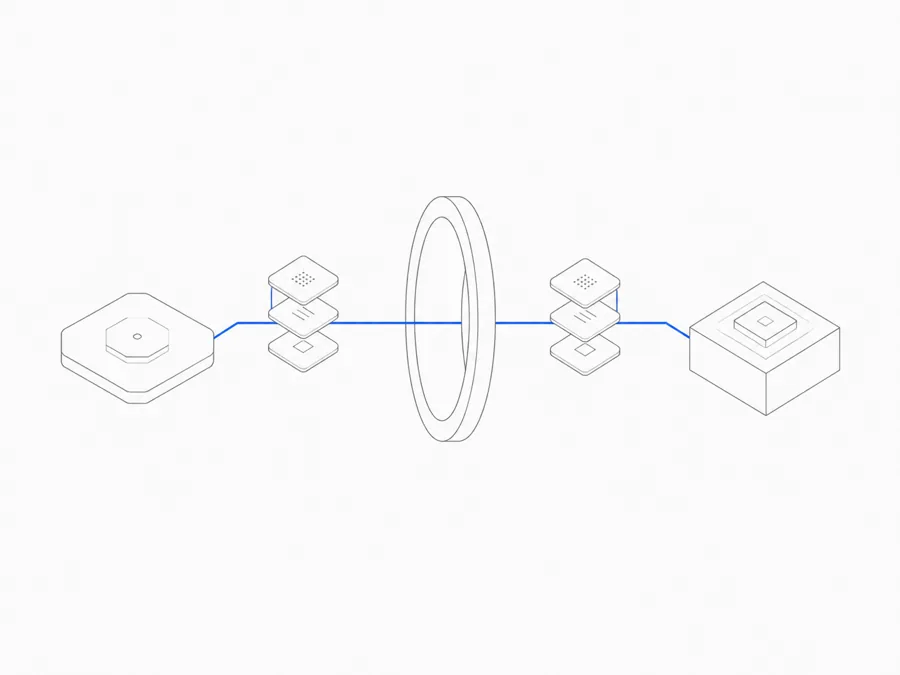
Learn how Agent.Space keeps models, Agent harnesses, Sessions, files, Previews, and team handoffs together in one cloud Workspace.
Product · Featured
Learn how Agent.Space keeps models, Agent harnesses, Sessions, files, Previews, and team handoffs together in one cloud Workspace.
01 · Workspace & product
What Agent.Space changes about cloud sessions, persistent files, handoffs, and team collaboration.
Product
Create a Workspace, choose a compatible Agent and model, add project files, define a testable task, review the output, and save the next step.
Product
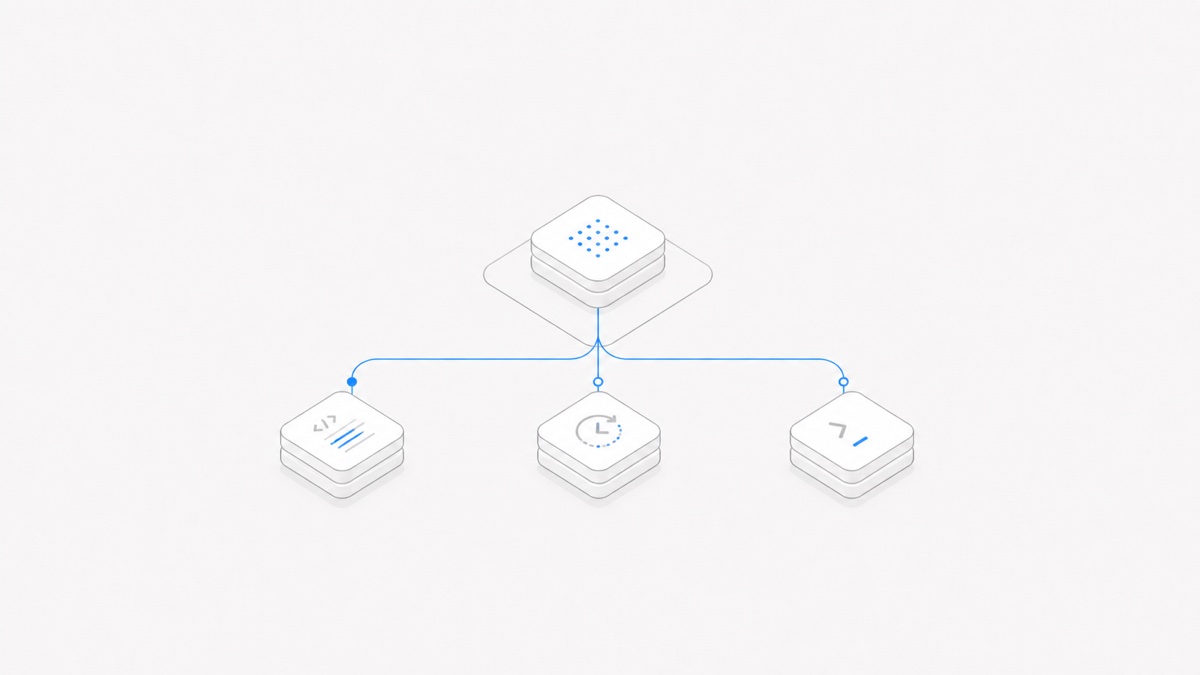
Learn what Agent Client Protocol standardizes between coding agents and clients, how it works, and what its compatibility lists do and do not prove.
Product
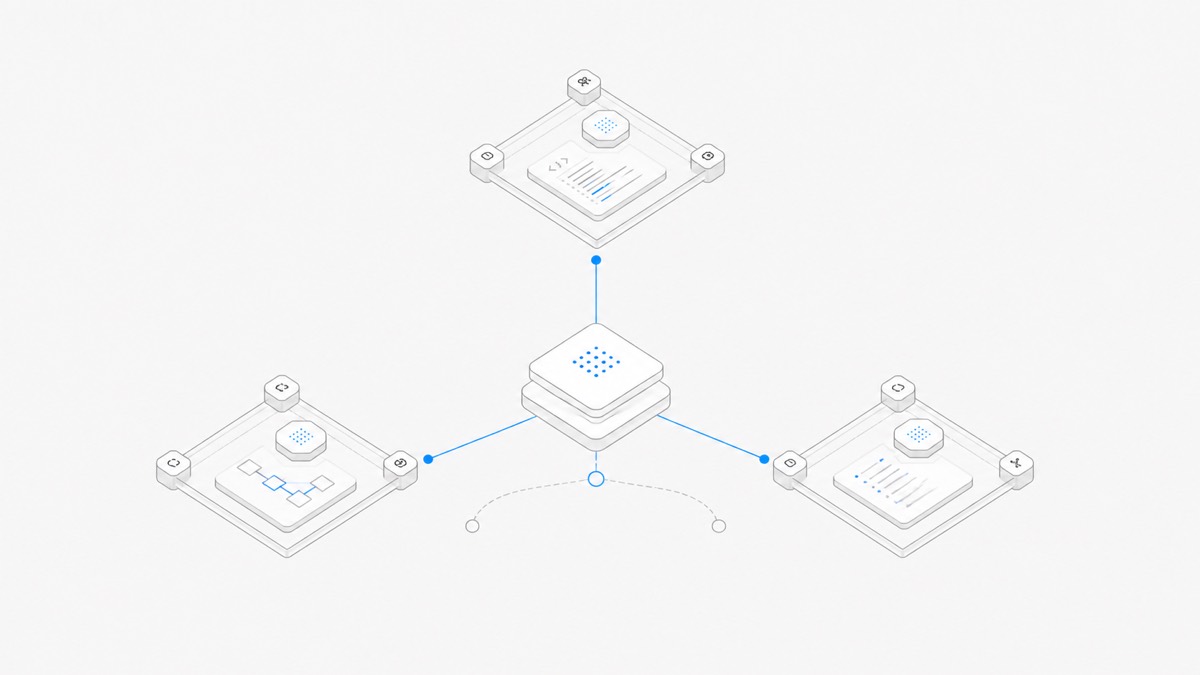
Create an Agent.Space API key, discover available models, connect through supported server SDKs, and verify how Share or Flex funds each request.
Product
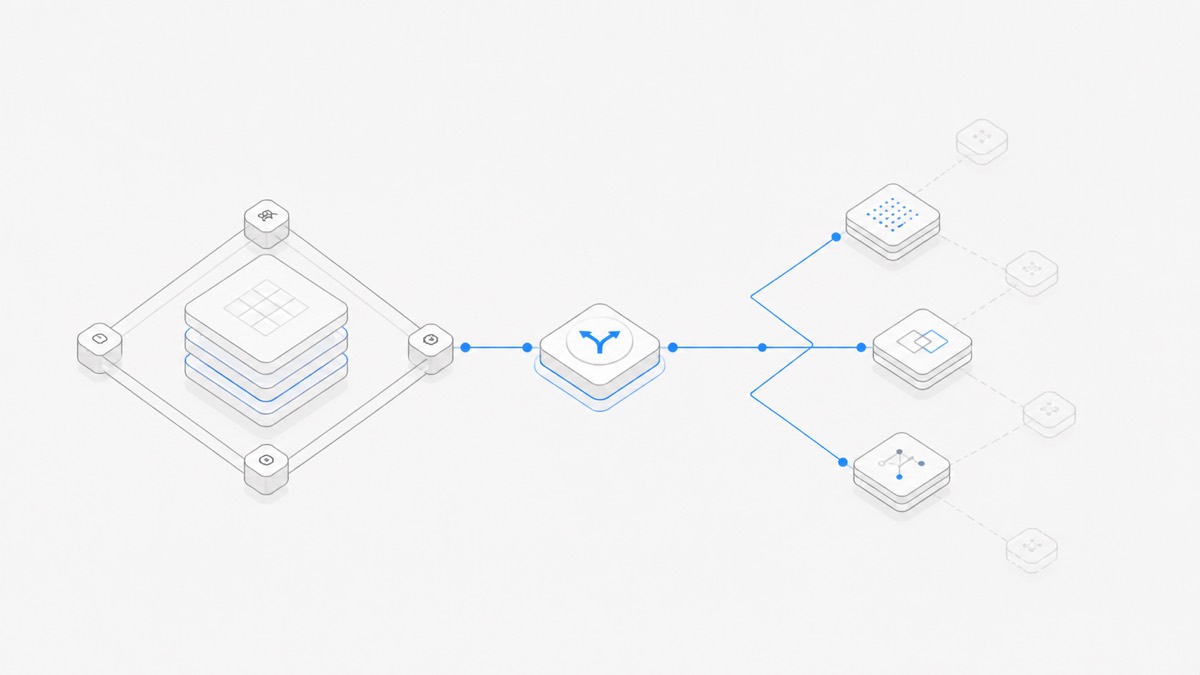
Compare Agent.Space Share and Flex by model access, allowance resets, pay-as-you-go usage, expiration, and the workloads each option fits.
Product
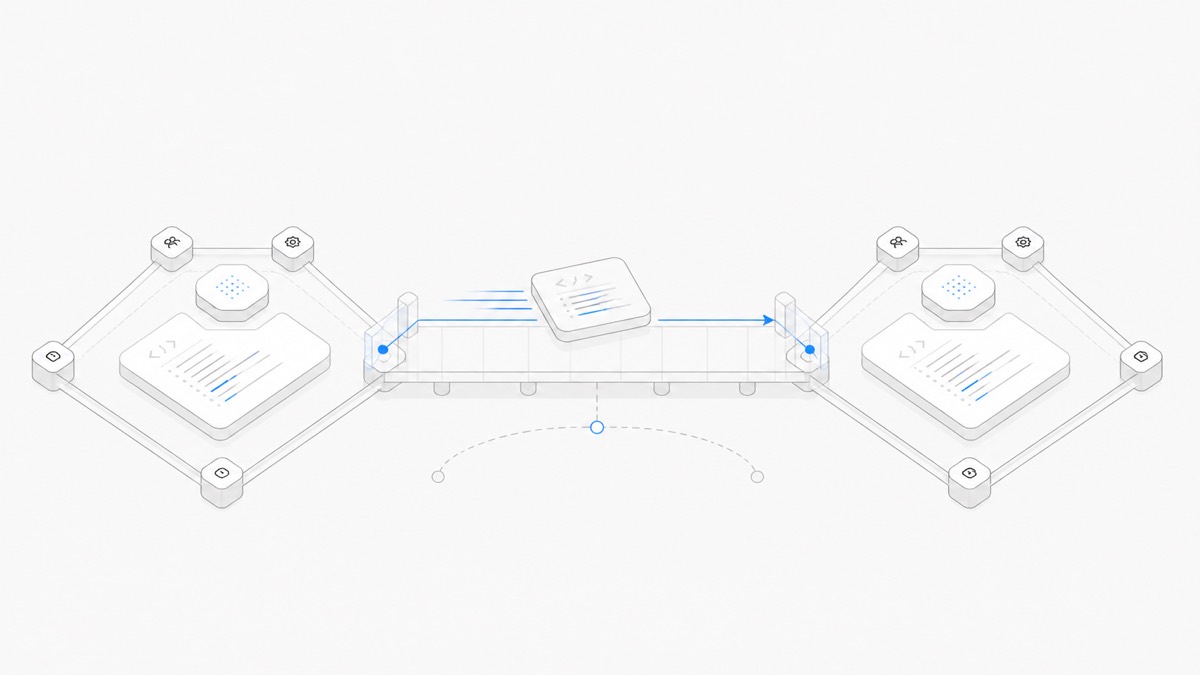
Hand off coding-agent work through shared files, Sessions, Previews, evidence, and roles without exchanging upstream accounts or passwords.
Product
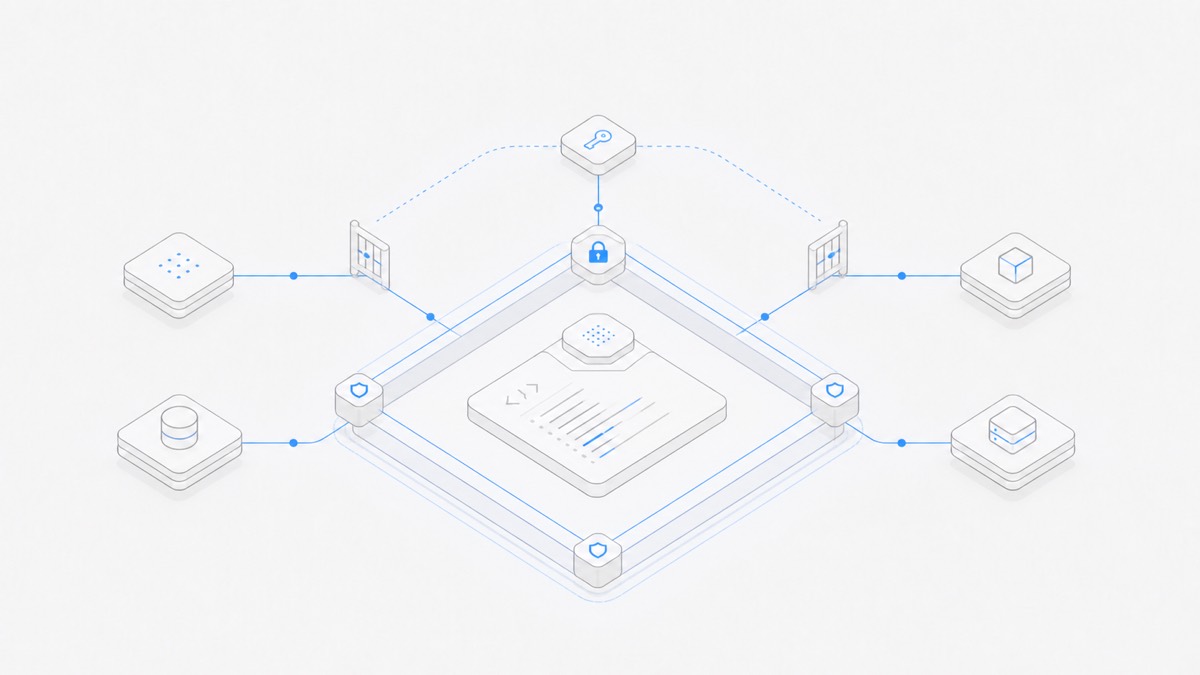
Evaluate coding-agent security across runtime isolation, member roles, API keys, project files, exports, and the controls that remain your responsibility.
02 · Agent guides
Practical guides, comparisons, official updates, and workflows for every Agent available in Agent.Space.
Agents
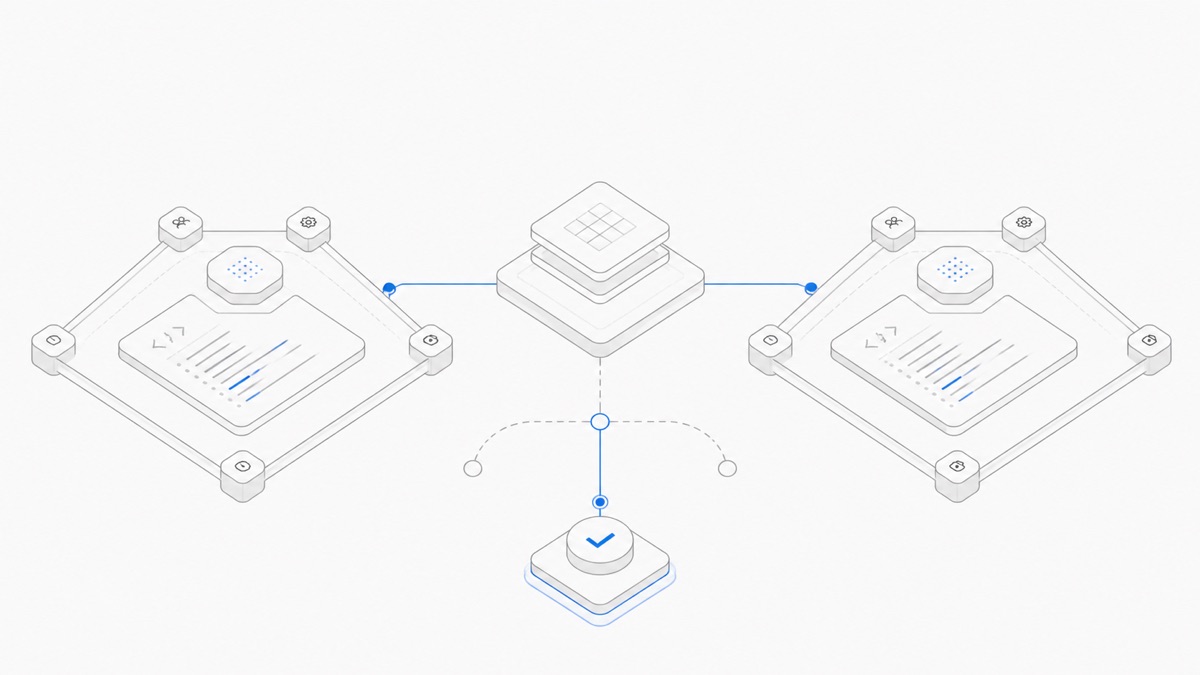
Compare Codex vs Claude Code pricing, subscription and API access, agent workflows, permissions, and how to test both on the same repository.
Agents
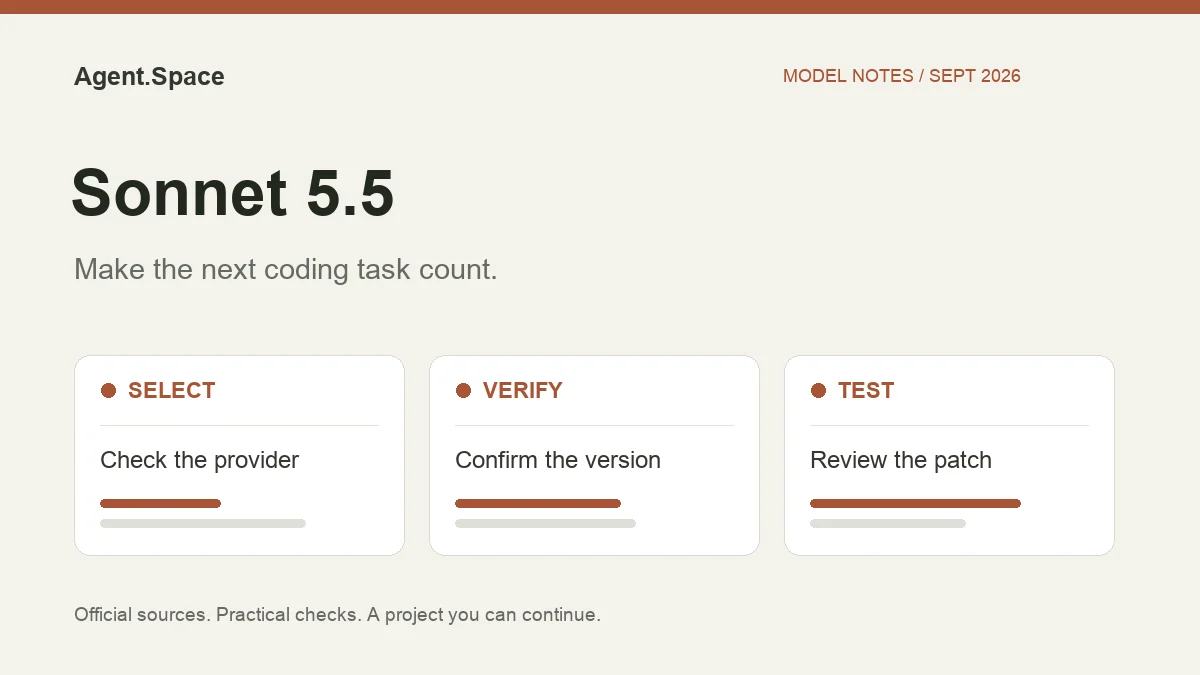
Use Claude Sonnet 5.5 in Claude Code, verify what the sonnet alias resolves to, and test cost and coding quality before changing your default.
Agents
Find GPT-6.1 Sol and Luna in ChatGPT Work or Codex, check launch eligibility and workspace settings, and distinguish Chat access from API access.
Agents
Reduce avoidable Codex quota usage by controlling task scope, context, tools, retries, and handoffs—without discarding useful work or bypassing limits.

Agents
Diagnose faster Astra quota consumption by separating allowance, model rates, cache reads and writes, repeated calls, and the cost of getting one accepted result.

Agents
Build a small, repeatable evaluation from real coding work. Control the starting state, grade accepted results, and distinguish a bad run from a useful regression signal.
03 · Model selection
Separate the Agent from the model underneath it, then compare capability, speed, compatibility, and cost.
Models
Evaluate GPT-6.1 Sol, Luna, and Claude 5.5 alongside your current coding model using task fit, tool compatibility, context, and cost per accepted result.
Models
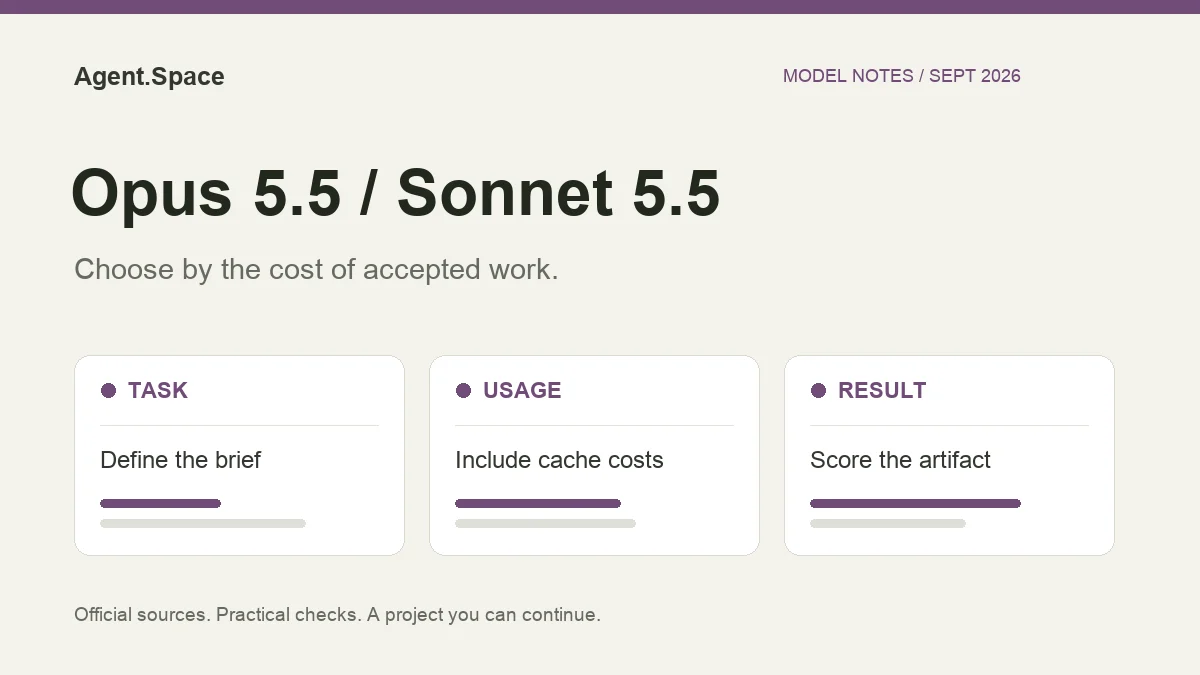
Compare Claude Opus 5.5 and Sonnet 5.5 API prices, cache costs, and a worked request budget, then choose by accepted coding results.
Models
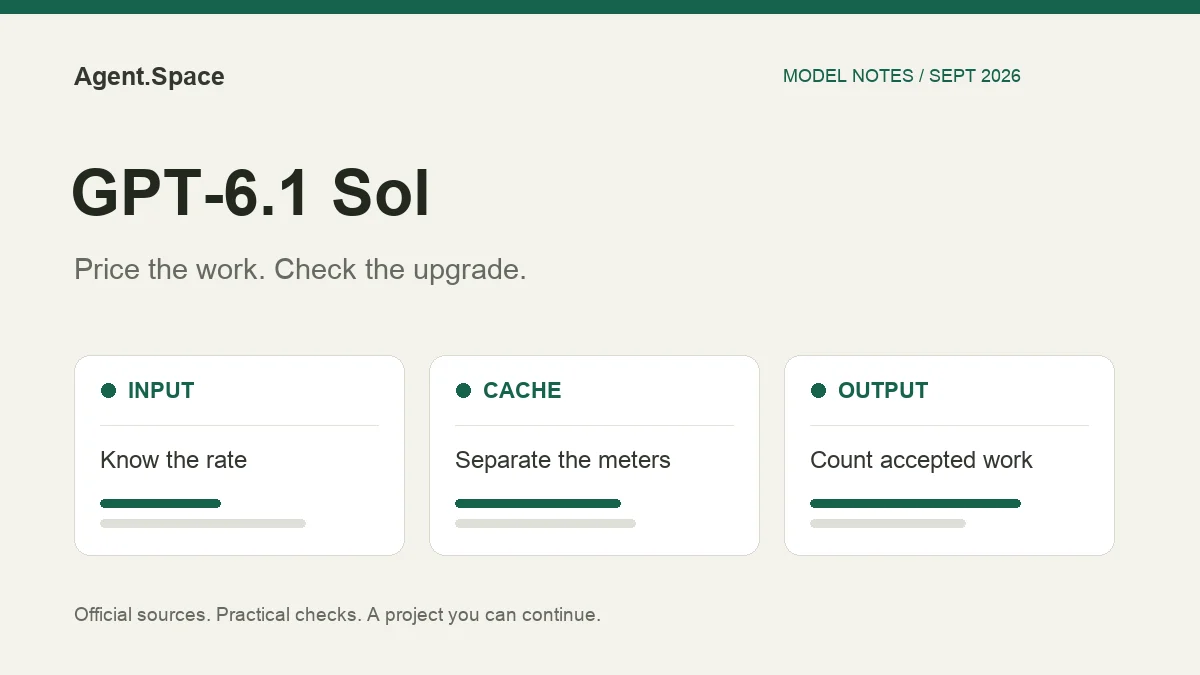
Check GPT-6.1 Sol pricing, cached input, Codex setup, and the tool-calling changes to test before upgrading from GPT-6 Sol.
Models
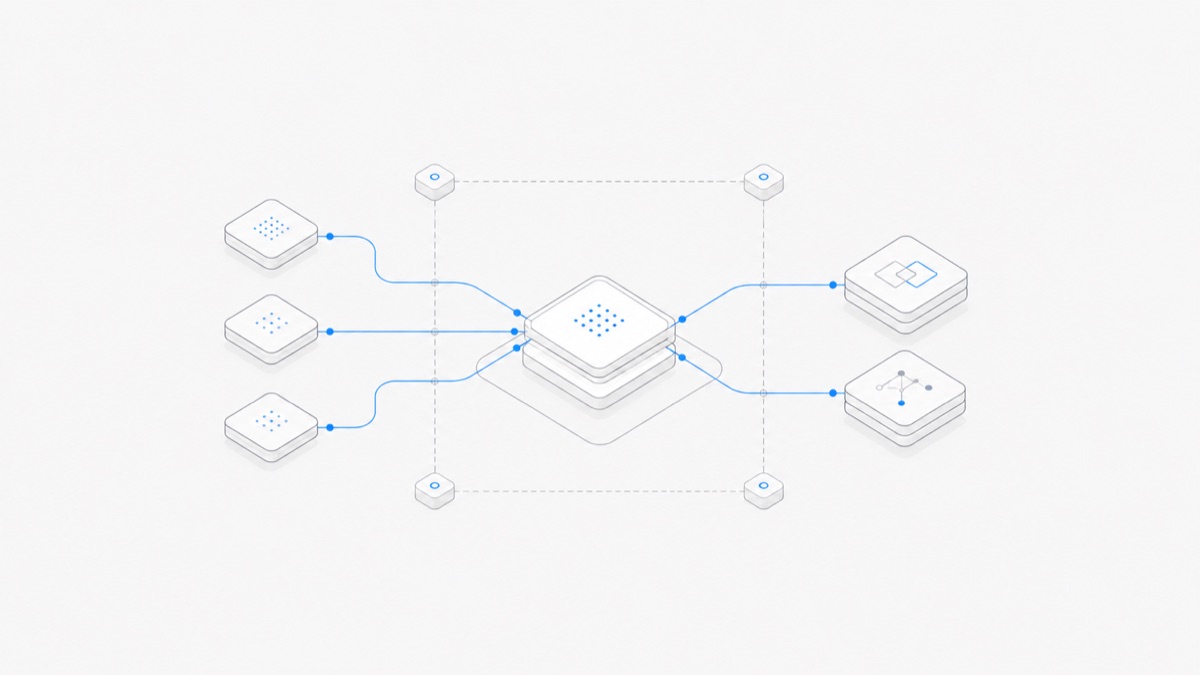
Learn what GPT-6 Astra benchmark scores prove, how vendor and independent evals differ, and why harness, effort, safeguards, and cost change results.
Models
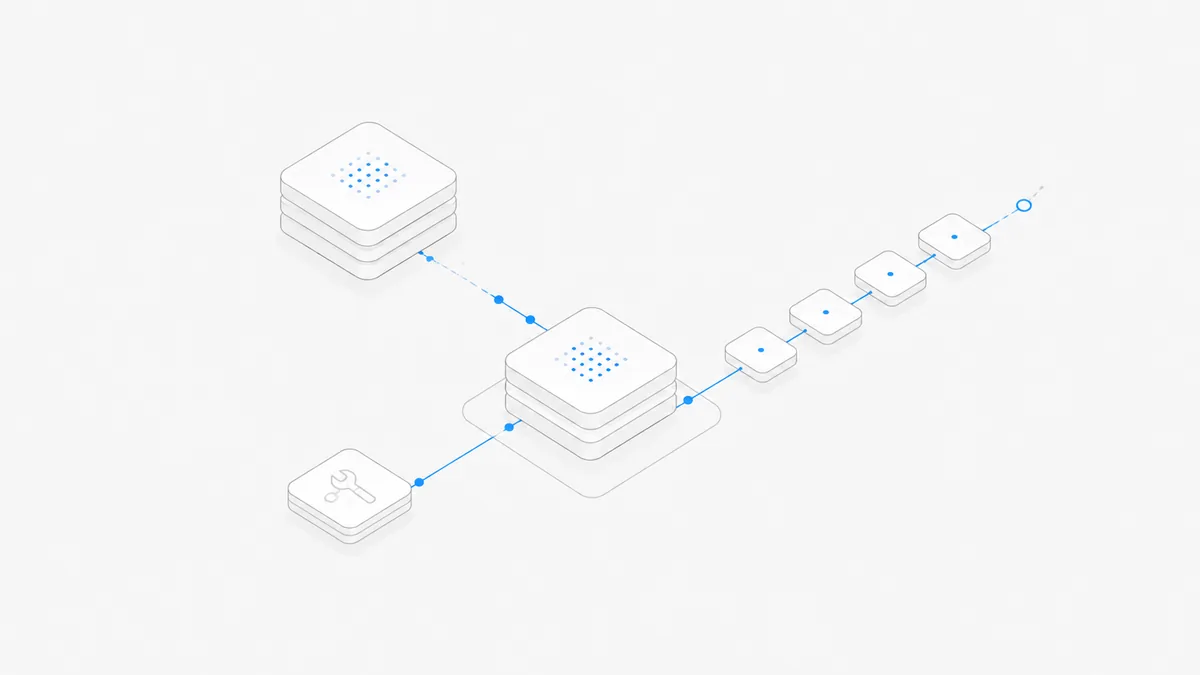
Claude Fable 5.1 has a 1M-token context window, costs $10/$50 per million tokens, and offers $0.25 cache reads. See when it fits coding agents.
Models
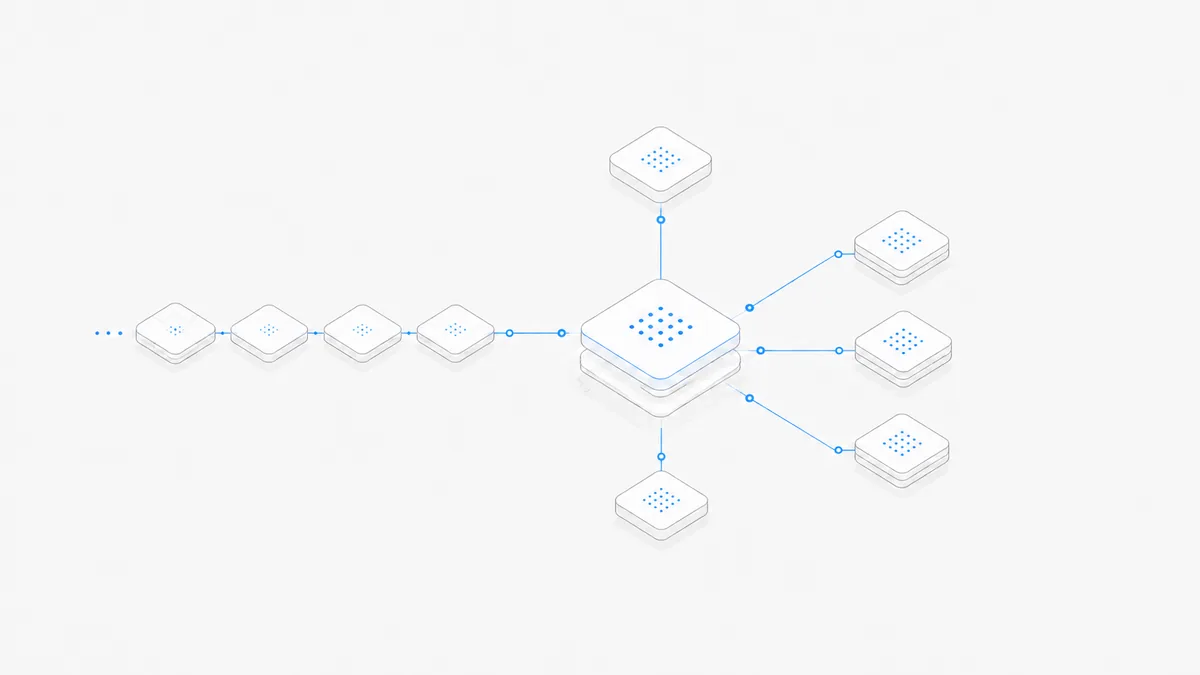
Why GPT-6 Astra lists a 1.05M API context window while Codex may show about 258K usable tokens, plus pricing, access, and setup checks.
Start in one Space
Choose an Agent, keep the project in the cloud, and collaborate without losing context.